
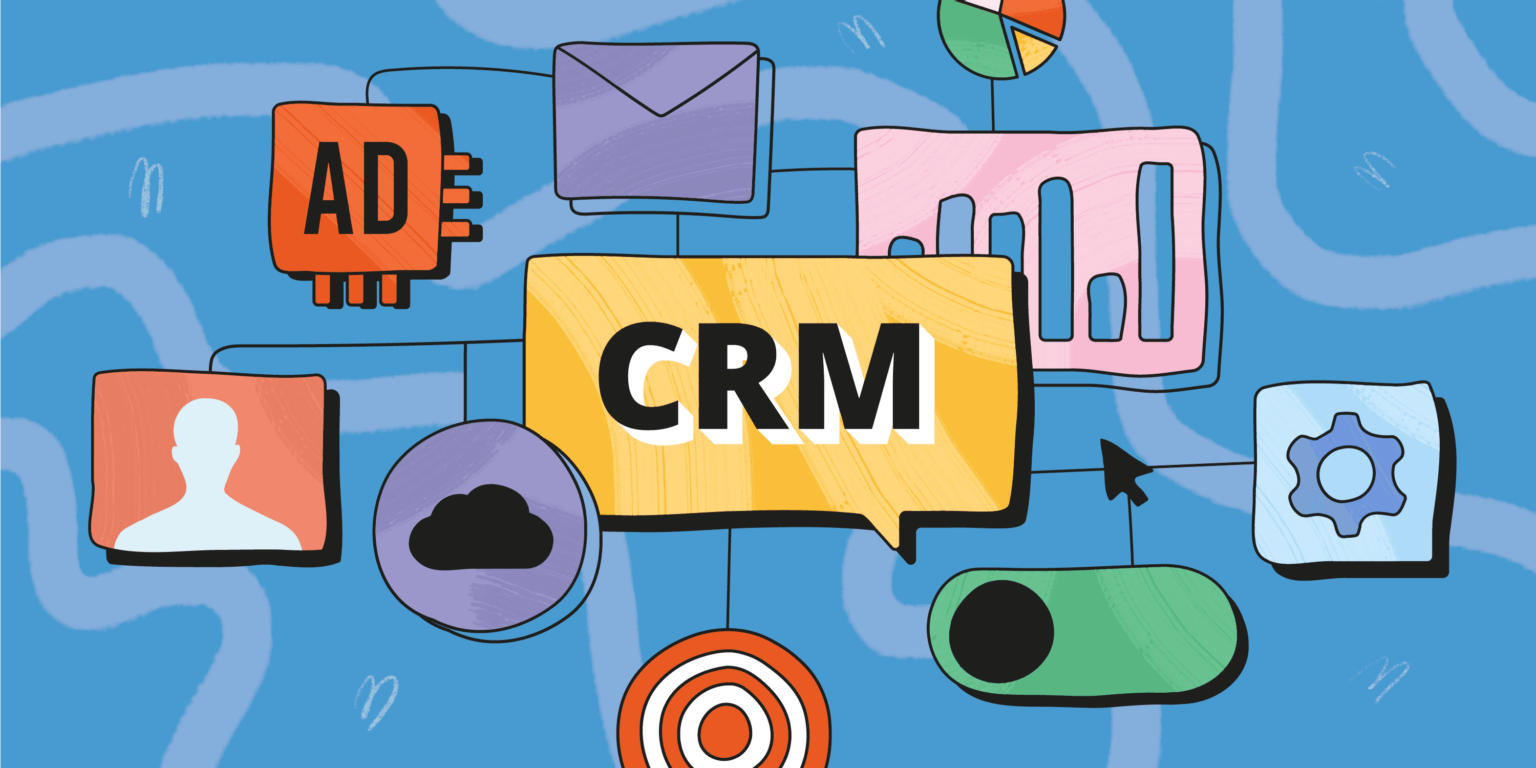
In today’s fast-paced business environment, effective communication and productivity are essential for long-term success. Companies must manage customer relationships, respond to inquiries, coordinate teams, and track sales activities without allowing important information to become scattered. This is where CRM software can make a significant difference. By bringing customer data, communication records, tasks, and business processes into one centralized platform, CRM software helps organizations work more efficiently while delivering a better customer experience.
A well-planned CRM strategy is about more than simply installing a technology platform. Businesses need to understand how the software can support their daily operations, improve collaboration, and reduce unnecessary administrative work. When implemented correctly, CRM software becomes a valuable foundation for organized communication and sustainable productivity.
Centralize Customer Information
One of the most effective CRM strategies is creating a centralized source of customer information. Without a unified system, customer details may be stored across spreadsheets, email inboxes, messaging applications, handwritten notes, and different departments. This makes it difficult for employees to find accurate information quickly.
CRM software allows businesses to organize customer profiles, contact information, previous conversations, purchase histories, service requests, and other relevant details in one location. Employees can access the information they need without repeatedly asking colleagues or searching through multiple systems.
A centralized database also improves consistency. When sales, marketing, and customer service teams work from the same information, customers receive more accurate and personalized responses.
Automate Repetitive Communication Tasks
Repetitive administrative activities can consume a considerable amount of employee time. Sending follow-up emails, updating customer records, assigning tasks, and reminding employees about upcoming activities are examples of processes that can often be automated.
CRM software can automate many of these routine responsibilities. For example, businesses can create automated follow-up reminders after sales calls or schedule email communications based on customer actions. Automation helps employees spend less time on repetitive tasks and more time on activities that require creativity, judgment, and personal interaction.
Automation should be carefully planned, however. Customers still value authentic communication, so automated messages should be relevant, timely, and appropriately personalized.
Improve Team Collaboration
Effective communication between departments is essential for productivity. When employees do not have access to the same customer information, tasks can be duplicated, opportunities can be missed, and customers may have to repeat themselves.
CRM software creates greater visibility across teams. Sales representatives can see customer interactions, service teams can review previous requests, and managers can monitor important activities. Shared notes, task assignments, communication histories, and status updates make it easier for employees to understand what has already happened and what needs to happen next.
This improved visibility reduces communication gaps and allows teams to coordinate their efforts more effectively.
Use CRM Software for Better Follow-Ups
Following up consistently is one of the most important parts of customer relationship management. Leads can easily become inactive when employees forget to respond or fail to follow up at the right time.
A strong CRM strategy uses reminders, task management, and automated notifications to ensure important follow-ups do not fall through the cracks. Employees can prioritize calls, emails, meetings, and other activities according to deadlines and customer needs.
Businesses can also use customer interaction history to make follow-ups more meaningful. Instead of sending generic messages, employees can refer to previous conversations, specific customer concerns, or earlier purchases. This creates a more personalized experience while improving the chances of successful engagement.
Create Clear Communication Workflows
Businesses should establish standardized workflows for common communication processes. A lead might move from initial inquiry to qualification, proposal, negotiation, and eventually conversion. Without a clear workflow, employees may handle similar situations in completely different ways.
CRM software can help define and monitor these stages. Each customer or lead can be assigned a status, responsible employee, next action, and expected timeline. This makes communication processes easier to manage and measure.
Clear workflows are particularly useful for growing businesses. As teams expand, standardized processes help new employees understand how customer communication should be handled.
Integrate Communication Channels
Modern customers communicate through many different channels, including email, phone calls, websites, social media, and messaging platforms. Managing each channel separately can create fragmented customer experiences.
A CRM strategy should aim to connect important communication channels whenever possible. CRM software can help businesses bring customer interactions into a more unified environment, allowing employees to understand the broader relationship rather than viewing individual conversations in isolation.
This approach also helps businesses respond faster. Employees can spend less time switching between applications and more time addressing customer needs.
Prioritize Leads and Customer Opportunities
Not every lead requires the same level of attention. Employees can waste valuable time when they treat every prospect equally, especially when large numbers of inquiries are involved.
CRM software can help businesses organize and prioritize leads according to factors such as engagement, purchase history, business value, customer needs, or sales stage. Teams can then focus their efforts where they are most likely to produce meaningful results.
Lead prioritization also improves productivity because employees have a clearer understanding of which activities deserve immediate attention.
Track Productivity Through Data
Effective CRM strategies should be supported by measurable results. Businesses can use CRM software to track sales activities, response times, customer interactions, conversion rates, task completion, and other performance indicators.
These insights can help managers identify bottlenecks and understand where teams may need additional support. For example, if leads frequently remain inactive after an initial inquiry, management can investigate whether follow-up procedures need improvement.
Data-driven decision-making also makes it easier to evaluate whether a CRM strategy is actually improving productivity rather than simply adding another software system to the workplace.
Personalize Customer Communication
Customers increasingly expect businesses to understand their individual needs. Generic communication can make interactions feel impersonal, while relevant communication can strengthen relationships.
CRM software provides employees with access to customer information that can support personalization. Teams can use previous interactions, preferences, purchase records, and service histories to make conversations more relevant.
Personalization does not necessarily require complex campaigns. Even simple actions, such as addressing a customer by name, remembering a previous concern, or recommending a relevant service, can improve the overall experience.
Train Employees for Successful CRM Adoption
Even the best CRM software cannot improve productivity if employees do not know how to use it effectively. Businesses should provide practical training and explain how the platform supports employees’ everyday responsibilities.
Training should cover essential functions such as customer record management, task creation, communication tracking, reporting, and workflow management. Employees should also understand the importance of entering accurate and timely information.
Ongoing training can be useful when new features are introduced or when the company changes its processes. Encouraging employees to provide feedback can also reveal areas where the CRM strategy could be improved.
Keep Customer Data Accurate and Organized
CRM systems are only as useful as the information they contain. Duplicate records, outdated contact details, incomplete profiles, and inconsistent data can reduce the effectiveness of customer management.
Businesses should establish clear standards for entering and updating information. Regular data reviews can help identify duplicates and outdated records. Assigning responsibility for data quality can also encourage employees to maintain accurate customer profiles.
Clean data improves communication, reporting, personalization, and decision-making simultaneously.
Continuously Improve the CRM Strategy
A CRM strategy should not remain unchanged after implementation. Businesses should regularly evaluate whether the system is helping employees communicate more efficiently and complete their work faster.
Managers can review performance data, gather employee feedback, and identify recurring customer service challenges. Workflows can then be adjusted to remove unnecessary steps or improve response times.
The goal is not to use every available CRM feature. Instead, businesses should focus on the features and processes that provide genuine value. A simple, well-managed system is often more productive than a complicated platform filled with unused functions.
Conclusion
CRM software can transform the way businesses communicate with customers and coordinate internal teams. By centralizing information, automating repetitive tasks, improving collaboration, organizing follow-ups, and providing actionable data, it can reduce wasted time while helping employees focus on higher-value activities.
The most successful approach combines technology with clear processes and employee training. Businesses that maintain accurate customer data, personalize communication, establish consistent workflows, and continuously measure performance can gain much more value from their CRM investment. With the right strategy, CRM software becomes more than a customer database—it becomes a practical productivity tool that supports stronger communication, better organization, and lasting customer relationships.