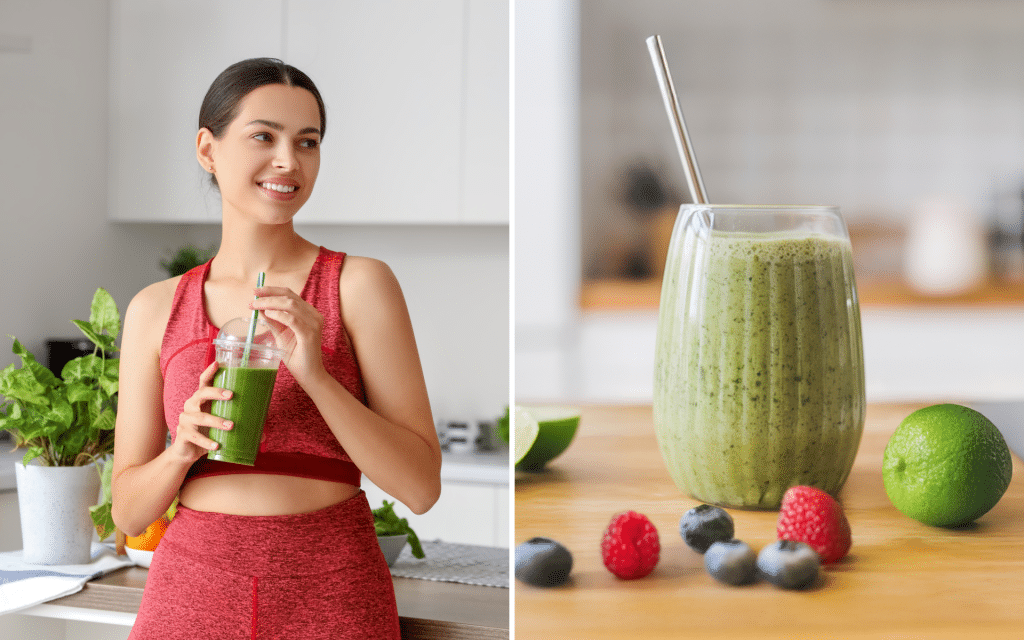
Starting a healthier eating routine can feel challenging, especially when complicated meal plans and strict diets make the process overwhelming. A short smoothie-based plan can offer a simple way to introduce more fruits, vegetables, fluids, and nutrient-rich ingredients into your daily routine. A simple 3 day smoothie detox plan focuses on preparing easy blended drinks while keeping meals straightforward and emphasizing whole foods.
It is important to understand that the body already has natural systems for removing waste, primarily through the liver, kidneys, digestive tract, lungs, and skin. Therefore, a smoothie detox should not be viewed as a medical treatment or a way to eliminate toxins from the body. Instead, a three-day smoothie routine can be used as a brief opportunity to increase fruit and vegetable intake, reduce reliance on highly processed foods, and establish healthier eating habits.
What Is a Smoothie Detox Plan?
A smoothie detox plan is a short-term eating routine in which smoothies become an important part of meals or snacks. Smoothies can combine fruits, vegetables, healthy fats, protein sources, and liquids into convenient drinks. Unlike juice, a smoothie can retain much of the fiber from whole fruits and vegetables when the ingredients are blended rather than strained.
The purpose of a simple 3 day smoothie detox plan should be practical rather than extreme. Instead of trying to consume only low-calorie drinks, beginners can focus on balanced smoothies that contain several food groups. This approach can make the routine more satisfying and help provide energy throughout the day.
A balanced smoothie might include leafy greens, berries, banana, plain yogurt, oats, chia seeds, nut butter, or unsweetened milk. The exact ingredients can be adjusted according to taste, availability, and individual nutritional needs.
Why Choose Three Days?
Three days is a manageable period for someone who wants to experiment with a smoothie-focused routine without making a long-term commitment. A short plan can also help beginners learn how different ingredients affect taste, fullness, and convenience.
However, three days should not be considered a magical period for detoxification or dramatic weight loss. Changes on the scale during a short dietary period may largely reflect differences in food intake, hydration, and stored carbohydrates rather than substantial fat loss.
The real value of a short plan is developing practical habits. Someone who learns to prepare a vegetable-rich smoothie in the morning may continue that habit after the three-day period ends.
Preparing Before Day One
Preparation can make the entire experience easier. Before beginning, choose several smoothie combinations and purchase the ingredients needed for them. Washing fruits and vegetables in advance and portioning ingredients into containers can reduce preparation time.
A basic shopping list might include spinach or kale, berries, bananas, apples, cucumbers, carrots, plain yogurt, unsweetened milk, oats, chia seeds, flaxseeds, and nut butter. Frozen fruits and vegetables can also be useful because they are convenient and create a thicker texture.
It is also helpful to have a reliable blender, measuring cups, reusable containers, and enough drinking water. Beginners should avoid relying on expensive specialty powders or products simply because they are marketed as detox ingredients.
Day One: Start With Familiar Flavors
The first day should be simple. Choose combinations that contain familiar ingredients instead of experimenting with several unusual foods at once.
For breakfast, a green smoothie could combine spinach, banana, berries, plain yogurt, and unsweetened milk or water. The banana can provide natural sweetness while berries add flavor and variety.
Lunch could include a smoothie made with cucumber, spinach, avocado, apple, and water. Adding yogurt, tofu, or another protein-rich ingredient can make the drink more filling.
For an afternoon snack, a berry smoothie with yogurt and chia seeds can provide a combination of carbohydrates, protein, and fiber.
Dinner does not necessarily have to be another smoothie. A balanced meal containing vegetables, a protein source, and whole grains can make the overall plan more sustainable. The goal is not to consume nothing but liquids.
Day Two: Add More Variety
By the second day, beginners can experiment with different textures and flavors. A tropical smoothie can combine mango, pineapple, spinach, plain yogurt, and water or unsweetened milk.
Another option is an oatmeal smoothie containing banana, oats, cinnamon, plain yogurt, and milk. Oats can contribute carbohydrates and fiber, while yogurt adds protein.
For people who prefer vegetable-heavy combinations, a smoothie containing cucumber, celery, spinach, apple, lemon juice, and water may offer a refreshing alternative.
The key is balance. Adding large quantities of fruit, honey, syrups, or sweetened juices can substantially increase the amount of sugar in a smoothie. Whole fruit is generally preferable to fruit juice because blending whole fruit preserves its fiber.
Day Three: Focus on Balanced Choices
The final day can combine favorite recipes from the first two days while emphasizing nutritional balance. For example, breakfast might feature berries, banana, yogurt, chia seeds, and unsweetened milk.
Lunch could be a green smoothie with spinach, avocado, cucumber, apple, and a protein source. A healthy snack might consist of a smaller smoothie made from berries and yogurt.
Dinner can once again be a normal balanced meal. Include vegetables, protein, and a source of complex carbohydrates if desired. This helps transition naturally from the short plan into a more varied eating pattern.
Important Ingredients to Consider
A good smoothie does not need dozens of ingredients. Beginners can use a simple formula: vegetables or fruit, a protein source, a fiber-rich ingredient, and an appropriate liquid.
Leafy greens such as spinach are easy to blend and can increase vegetable intake. Berries provide flavor and nutrients, while bananas can create a creamy texture. Yogurt, tofu, milk, or nut butter can contribute protein and make a smoothie more satisfying.
Seeds such as chia or flax can provide fiber and healthy fats. Oats can also contribute fiber and carbohydrates. Water is an inexpensive liquid option, while unsweetened dairy or fortified plant milk can add additional nutrients.
Mistakes Beginners Should Avoid
One common mistake is making smoothies too large. A smoothie can contain substantial calories when it includes multiple bananas, large amounts of nut butter, sweetened yogurt, honey, and juice. Portion size still matters.
Another mistake is eliminating protein. Fruit and vegetables are valuable, but a smoothie containing only fruit may not provide enough protein or lasting satiety. Including yogurt, tofu, milk, or another suitable protein source can create a more balanced option.
Beginners should also avoid treating a smoothie plan as a crash diet. Severe calorie restriction can cause hunger, tiredness, headaches, or difficulty concentrating. A short plan should support nourishment rather than deprivation.
Staying Hydrated
Water remains important throughout a smoothie-focused routine. Smoothies contribute fluids, but they should not necessarily replace regular water consumption.
Thirst, weather, activity level, and individual needs can influence how much fluid someone requires. Drinking water regularly throughout the day is a simple way to support normal hydration.
What Happens After Three Days?
The most important part of a simple 3 day smoothie detox plan may be what happens afterward. Instead of immediately returning to highly processed foods, use the experience to identify habits that were easy to maintain.
For example, someone may discover that preparing a smoothie for breakfast is convenient. Another person may realize that adding spinach or berries to meals is an easy way to increase fruit and vegetable intake.
After three days, return to a varied diet that includes vegetables, fruits, whole grains, protein sources, and healthy fats. Long-term nutritional quality matters much more than completing a short detox-style program.
Who Should Be Careful?
A short smoothie routine is not appropriate for everyone. People with medical conditions, special nutritional requirements, food allergies, or a history of disordered eating should speak with a qualified healthcare professional or registered dietitian before making significant dietary changes.
Children, pregnant or breastfeeding individuals, and people taking medications that require specific dietary considerations may also need individualized guidance.
Final Thoughts
A simple 3 day smoothie detox plan can be an approachable way for beginners to explore nutritious smoothie recipes and temporarily place greater emphasis on fruits, vegetables, hydration, and minimally processed foods. The plan works best when it is balanced rather than restrictive.
Smoothies can be convenient, flavorful, and nutrient-rich, but they are not a magical detoxification solution. The body’s natural detoxification organs already perform that role. The lasting benefit comes from using a short three-day routine as an opportunity to develop realistic habits that can continue well beyond the final smoothie.