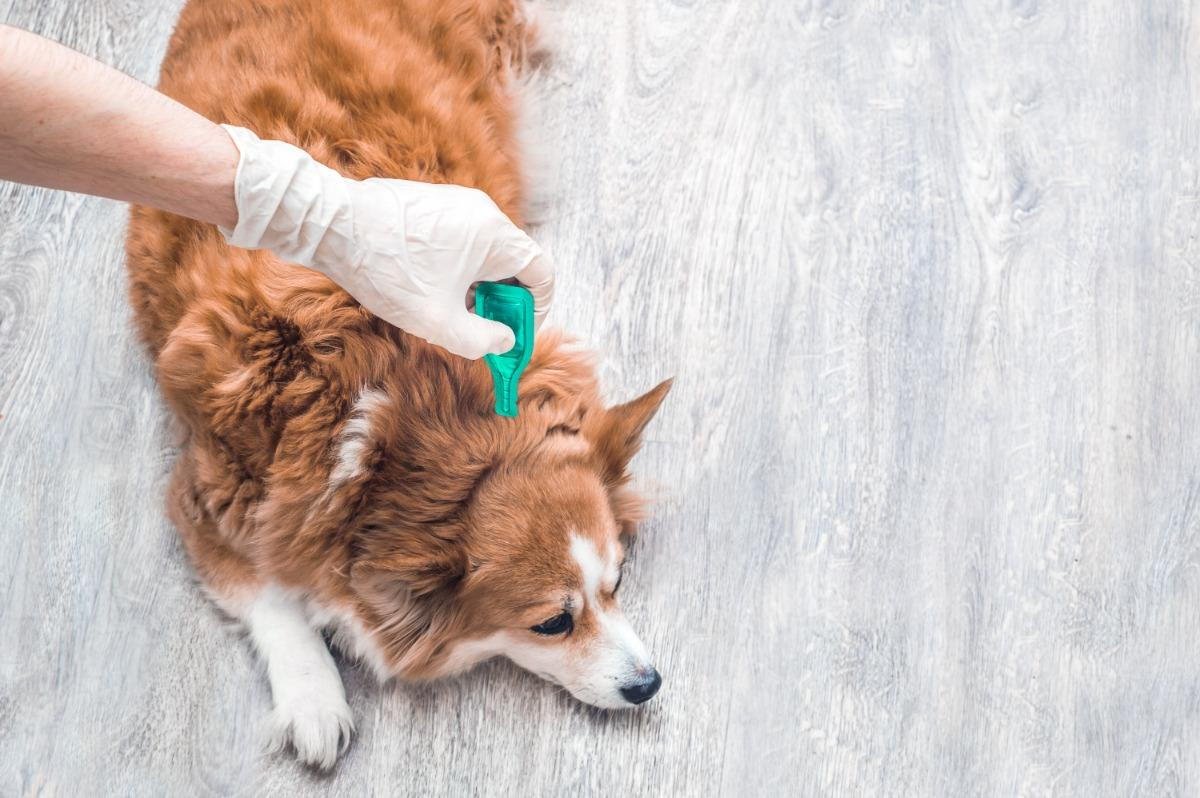
Ticks and fleas are more than occasional nuisances for pets. These small parasites can cause itching, skin irritation, discomfort, and other health concerns when infestations are left unmanaged. Because different pets live in different environments and have different needs, choosing an appropriate Tick and Flea Control approach requires more than selecting the first product available. A thoughtful strategy considers the pet’s age, health, lifestyle, surroundings, and the severity of the infestation.
Effective parasite management usually combines prevention, regular inspection, environmental cleanliness, and suitable treatments. Understanding these factors can help pet owners create a practical routine that protects animals while reducing the chances of recurring infestations.
Understanding the Difference Between Fleas and Ticks
Fleas and ticks are external parasites, but they behave differently. Fleas are small insects that can jump between animals and surrounding areas. They may live in carpets, bedding, furniture, cracks, and outdoor spaces before reaching a host. A flea infestation can therefore become established inside a home even when only one pet initially has fleas.
Ticks, in contrast, are arachnids that generally attach themselves to animals after coming into contact with vegetation or other outdoor environments. They can remain attached for extended periods while feeding. Some tick species can transmit diseases to animals and, in certain circumstances, people.
Recognizing these differences is important because effective Tick and Flea Control may require attention to both the pet and its environment.
Consider Your Pet’s Lifestyle
One of the first factors to consider is how your pet spends its time. A dog that regularly visits parks, gardens, wooded areas, farms, or hiking trails may have greater exposure to ticks than a pet that stays primarily indoors.
Cats can also encounter fleas even when they spend most of their time inside. Fleas may enter homes through other animals, clothing, or outdoor materials.
Pets that frequently interact with other animals may also have increased exposure to fleas. Understanding these daily habits can help determine how frequently preventive measures should be used and whether environmental management is necessary.
Indoor and Outdoor Environments
An indoor-only lifestyle does not automatically eliminate parasite risks. Fleas can survive in protected household environments, particularly where carpets, upholstery, pet bedding, and warm areas provide suitable conditions.
Outdoor pets may require additional attention because vegetation and animal contact can increase exposure to ticks and fleas. Regular grooming and inspection can help identify parasites before they become a larger problem.
Check Your Pet Regularly
Routine inspection is an important part of Tick and Flea Control. Owners should regularly examine their pets, particularly after outdoor activities.
Look closely around areas such as the ears, neck, legs, paws, belly, and between the toes. Ticks can sometimes be difficult to notice because they may be small before feeding. Fleas can also move quickly through the coat.
Regular brushing can make inspection easier while helping owners notice unusual scratching, redness, hair loss, or irritated skin.
Watch for Signs of Infestation
Persistent scratching, biting at the skin, excessive grooming, restlessness, or visible parasites may indicate a flea problem. Flea dirt, which can appear as small dark particles in the coat, can also be a useful warning sign.
Ticks may appear as small bumps attached to the skin. If an owner discovers a tick, careful removal and appropriate veterinary advice can help reduce potential complications.
Choose Products Carefully
There are many parasite-control products available, including topical treatments, oral medications, collars, shampoos, sprays, and environmental products. They are not interchangeable, and their suitability can vary depending on the animal.
A product should always be selected according to the species, age, weight, and health status stated on its label. Products intended for dogs should not automatically be used on cats. Certain ingredients can be unsafe for particular animals.
Follow Label Instructions
Using more product than recommended does not necessarily provide better protection and may increase the risk of adverse effects. Owners should follow dosage, application, frequency, and storage instructions carefully.
When uncertain about which product is appropriate, consulting a veterinarian is a sensible step. Veterinary professionals can consider an animal’s medical history and lifestyle when discussing parasite-prevention options.
Do Not Ignore the Home Environment
Treating a pet without addressing an established household infestation may allow fleas to return. Flea eggs and immature stages can exist in the environment even when adult fleas are no longer visible on the animal.
Wash pet bedding regularly and vacuum carpets, rugs, furniture, and areas where pets spend considerable time. Emptying the vacuum appropriately can also help prevent captured insects from remaining in the household.
Maintain Outdoor Areas
Outdoor maintenance can also support parasite management. Keeping grass reasonably trimmed, removing piles of leaves and debris, and limiting access to areas with heavy vegetation can reduce some opportunities for tick exposure.
However, environmental changes alone may not eliminate parasites. A combined strategy can provide more comprehensive protection.
Consider the Entire Household
If multiple pets live in the same home, every animal should be considered when managing fleas and ticks. Treating only one animal may leave untreated hosts available for parasites.
Owners should also remember that parasite control protects more than just pets. Some parasites can affect humans, making household hygiene and prevention useful parts of a responsible approach.
Know When Professional Help Is Needed
Some infestations can be managed with routine prevention and household cleaning, while others may require professional guidance. Veterinary assistance is especially important when a pet has a heavy infestation, severe skin irritation, unusual weakness, or other concerning symptoms.
Young animals, older pets, pregnant animals, and pets with existing health problems may need additional consideration before certain parasite-control products are used.
Professional pest-control services may also be appropriate when a household has a persistent environmental infestation that does not improve through normal cleaning and pet-focused measures.
Build a Consistent Prevention Routine
Successful Tick and Flea Control is generally easier when prevention becomes part of regular pet care rather than something performed only after parasites appear.
Create a routine that includes checking the coat, maintaining bedding, cleaning commonly used areas, monitoring outdoor exposure, and applying approved preventive products according to their directions.
Consistency matters because parasite life cycles can make complete elimination difficult after an infestation becomes established. Regular preventive care can reduce the opportunity for populations to grow.
Conclusion
Choosing the right Tick and Flea Control approach involves understanding the parasite, evaluating the pet’s lifestyle, inspecting the animal regularly, selecting appropriate products, and maintaining a clean environment. No single strategy is ideal for every household because pets differ in age, size, health, exposure, and living conditions.
A practical approach combines prevention with observation and good household hygiene. By paying attention to early signs and seeking veterinary advice when necessary, pet owners can develop a parasite-management routine that supports their animals’ comfort and overall well-being.